

Description
Purchase S Ketamine A Pure Path to Profound Experience and Therapeutic Transformation
What is this treatment?
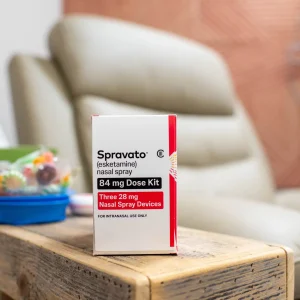
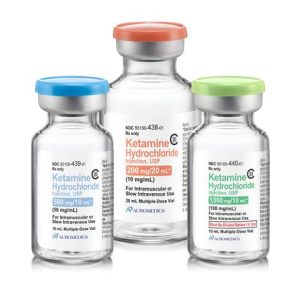
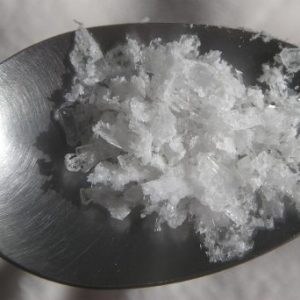
This medication is an isolated enantiomer of ketamine that has been studied for its dissociative effects and therapeutic applications.
Compared with other forms of ketamine, it has a relatively rapid onset and has been investigated for use in clinical settings for treatment-resistant depression and other psychiatric conditions. It has also been used in consciousness and neuroscience research under controlled conditions.
Structured Overview
Type: Dissociative anesthetic / psychedelic
Drug Class: NMDA receptor antagonist
Administration: Oral or intranasal (under appropriate medical supervision where approved)
Key Characteristics: Rapid onset, dissociative effects, altered perception and consciousness
Comparison with Another Ketamine Enantiomer
| Feature | This Treatment | Alternative Enantiomer |
|---|---|---|
| Dissociative effects | More pronounced | Moderate to strong |
| Antidepressant effects | Rapid but generally shorter-lasting | Potentially longer-lasting |
| Duration | Shorter | Longer |
| NMDA receptor activity | Stronger | Weaker |
| Common research focus | Acute treatment and dissociative effects | Long-term therapeutic research |
Potential Effects and Benefits
Deep Alterations in Consciousness
Some individuals describe a temporary reduction in their awareness of time, space, and self during treatment.
In clinical and research settings, these experiences may support new perspectives on emotional challenges and established patterns of thinking when combined with appropriate professional care.
Clinical Applications
Research has shown that this medication may provide rapid symptom relief for some people experiencing treatment-resistant depression or acute depressive crises.
Because of its potential risks, it is administered only in controlled medical environments.
“Ketamine-based therapy is the first truly new approach to treating depression in decades.”
— Dr. James Murrough, psychiatrist at Mount Sinai Hospital, New York
Administration
Important: This medication should only be administered under qualified medical supervision. Improper use can result in significant physical and psychological risks.
The appropriate dose and route of administration depend on the individual’s medical condition, treatment goals, and clinical judgment.
Applications
Therapeutic Sessions
When integrated with psychotherapy or other evidence-based mental health care, this treatment has been studied for treatment-resistant depression, PTSD, and certain anxiety disorders.
Scientific Research
The compound is widely used in neuroscience and psychiatric research to investigate dissociative states, consciousness, and brain function.
Controlled Clinical Experience
In approved medical or research settings, supervised administration may contribute to a better understanding of perception, cognition, and emotional processing.
Personal Experience
“I struggled with inner emptiness and restlessness for years. No therapy really helped until I participated in a ketamine-based treatment session. Within an hour, I felt as though an emotional weight had been lifted.”
— Clinical therapy participant
Safety and Responsibility
This medication is not appropriate for unsupervised or recreational use. Potential risks include psychological distress, elevated blood pressure, nausea, sedation, impaired judgment, and the possibility of misuse or dependence with repeated non-medical use.
Recommendations include:
- Use only under qualified medical supervision.
- Follow the prescribed treatment schedule.
- Avoid combining it with alcohol or other psychoactive substances unless specifically directed by a healthcare professional.
Potential Advantages
- Rapid onset of therapeutic effects in appropriate clinical settings.
- May provide temporary emotional distance that supports psychotherapy.
- Relatively short duration, allowing treatment to be completed in a monitored environment.
- Investigated as an NMDA receptor antagonist for treatment-resistant psychiatric conditions.
Frequently Asked Questions
Is this medication legally available?
Availability varies by country. In many regions, it is a prescription-only medication that can be administered only in approved healthcare facilities.
Are there side effects?
Possible side effects include nausea, dizziness, drowsiness, temporary increases in blood pressure, dissociation, and confusion. Medical monitoring helps manage these effects.
How does it differ from other forms of ketamine?
This form has a stronger affinity for NMDA receptors and generally produces more pronounced dissociative effects, while other forms may have different therapeutic profiles.
Can it be used privately?
In many jurisdictions, private use outside approved medical settings is restricted or illegal. Anyone interested in treatment should consult a licensed healthcare provider or an authorized clinic.
Conclusion
This medication has become an important area of research in psychiatry and neuroscience. In carefully supervised medical settings, it may provide meaningful benefits for selected patients, particularly those with treatment-resistant mental health conditions. Because it is a powerful medication with significant risks, responsible medical oversight is essential for safe and appropriate use.

Reviews
There are no reviews yet.