

Description
Ketamine Powder: Medical Research, Effects, Uses & Safety Information
Introduction to Ketamine Powder
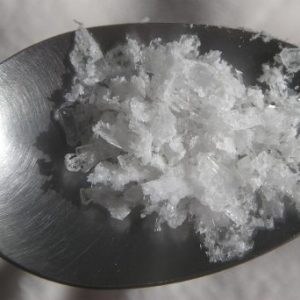
Ketamine powder refers to a powdered form of ketamine, a compound that has been widely studied in medicine, anesthesia, and neuroscience.
Originally developed as an anesthetic, ketamine has gained significant attention in recent years because of research into its effects on depression, pain management, and brain function.
Unlike traditional antidepressants that mainly affect serotonin pathways, ketamine works primarily through the glutamate system, particularly by influencing NMDA receptors involved in neural communication and plasticity.
Due to its powerful effects on the central nervous system, ketamine is classified as a controlled medication in many countries and is used only within regulated medical and research environments.
What Is Ketamine?
Ketamine is a dissociative anesthetic first developed in the 1960s. It belongs to a class of medications known as NMDA receptor antagonists.
In medical settings, ketamine has been used for:
- Surgical anesthesia
- Emergency medicine
- Pain management
- Research into treatment-resistant depression
The compound exists in different formulations, including injectable solutions and pharmaceutical preparations designed for specific clinical applications.
Chemical Profile of Ketamine
| Property | Description |
|---|---|
| Chemical Name | Ketamine Hydrochloride |
| Molecular Formula | C₁₃H₁₆ClNO |
| Molecular Weight | 237.73 g/mol |
| Drug Class | Dissociative anesthetic |
| Primary Target | NMDA receptor |
| Main Mechanism | Glutamate modulation |
How Does Ketamine Work?
Ketamine affects several important processes in the brain.
NMDA Receptor Antagonism
Ketamine temporarily blocks NMDA receptors, changing glutamate activity between neurons. This mechanism is believed to contribute to its rapid effects on mood and perception.
Increased Neuroplasticity
Research suggests ketamine may increase signaling pathways involved in:
- Synaptic growth
- Neural adaptation
- Brain connectivity
BDNF and mTOR Pathways
Studies indicate that ketamine may influence biological pathways related to brain-derived neurotrophic factor (BDNF) and mTOR signaling, which are associated with neuronal repair and plasticity.
Medical Research on Ketamine
Ketamine has become one of the most researched compounds in modern psychiatry and neuroscience.
Research areas include:
- Treatment-resistant depression
- Major depressive disorder
- Chronic pain conditions
- Post-traumatic stress disorder (PTSD)
- Anxiety disorders
- Neurobiological mechanisms of consciousness
Clinical research has shown that ketamine-based therapies may produce rapid changes in depressive symptoms for some patients when administered under medical supervision.
Ketamine and Depression Treatment
Traditional antidepressants often require several weeks before significant improvement occurs. Ketamine-based treatments have attracted attention because some studies have observed faster symptom changes.
Researchers continue to investigate:
- Duration of antidepressant effects
- Long-term safety
- Patient selection factors
- Combination with psychotherapy
Medical ketamine treatments are delivered through approved healthcare pathways with professional monitoring.
Effects of Ketamine
Ketamine can influence perception, mood, and awareness.
Reported effects in clinical settings may include:
- Relaxation
- Altered perception
- Temporary dissociation
- Changes in sensory processing
- Emotional shifts
The intensity and duration of effects depend on medical factors, formulation, and individual response.
Safety and Side Effects
Because ketamine affects the brain and nervous system, medical supervision is important.
Possible side effects include:
- Increased blood pressure
- Nausea
- Dizziness
- Drowsiness
- Confusion
- Temporary dissociative experiences
- Changes in perception
Healthcare providers evaluate risks and monitor patients during approved treatments.
Legal and Regulatory Status
Ketamine is regulated differently around the world.
In many countries:
- Medical use requires prescription or professional authorization.
- Administration is restricted to licensed healthcare environments.
- Non-medical possession or use may be prohibited.
Regulations vary depending on location and intended use.
Ketamine Research and Future Development
Scientists continue studying ketamine and related compounds to better understand:
- Rapid antidepressant mechanisms
- New psychiatric treatments
- Safer alternatives
- Long-lasting therapeutic effects
Research into ketamine derivatives, including different molecular forms, may help develop future medications with improved safety profiles.
Frequently Asked Questions
Is ketamine approved for medical use?
Yes, ketamine is approved as an anesthetic in many countries. Certain ketamine-based treatments for depression are also approved in specific regions under medical supervision.
How is ketamine different from traditional antidepressants?
Ketamine primarily affects glutamate signaling, while many traditional antidepressants mainly influence serotonin and norepinephrine pathways.
Does ketamine have risks?
Yes. Like any powerful medication, ketamine can cause side effects and requires appropriate medical oversight.
Is ketamine used in research?
Yes. Ketamine is widely studied in neuroscience, psychiatry, and pain research.
Conclusion
Ketamine powder represents a form of a medically important compound that has transformed research in anesthesia, psychiatry, and neuroscience. Its unique effects on glutamate signaling and brain plasticity have made it one of the most significant developments in modern mental health research.
Although ketamine-based therapies show promise, safe and effective use depends on regulated medical practice, professional monitoring, and ongoing scientific evaluation.
SEO Meta Title:
Ketamine Powder Research | Medical Uses, Effects, Safety & Information
SEO Meta Description:
Learn about ketamine powder, including its medical research, mechanism of action, potential therapeutic applications, effects, safety considerations, and legal status.



Reviews
There are no reviews yet.