
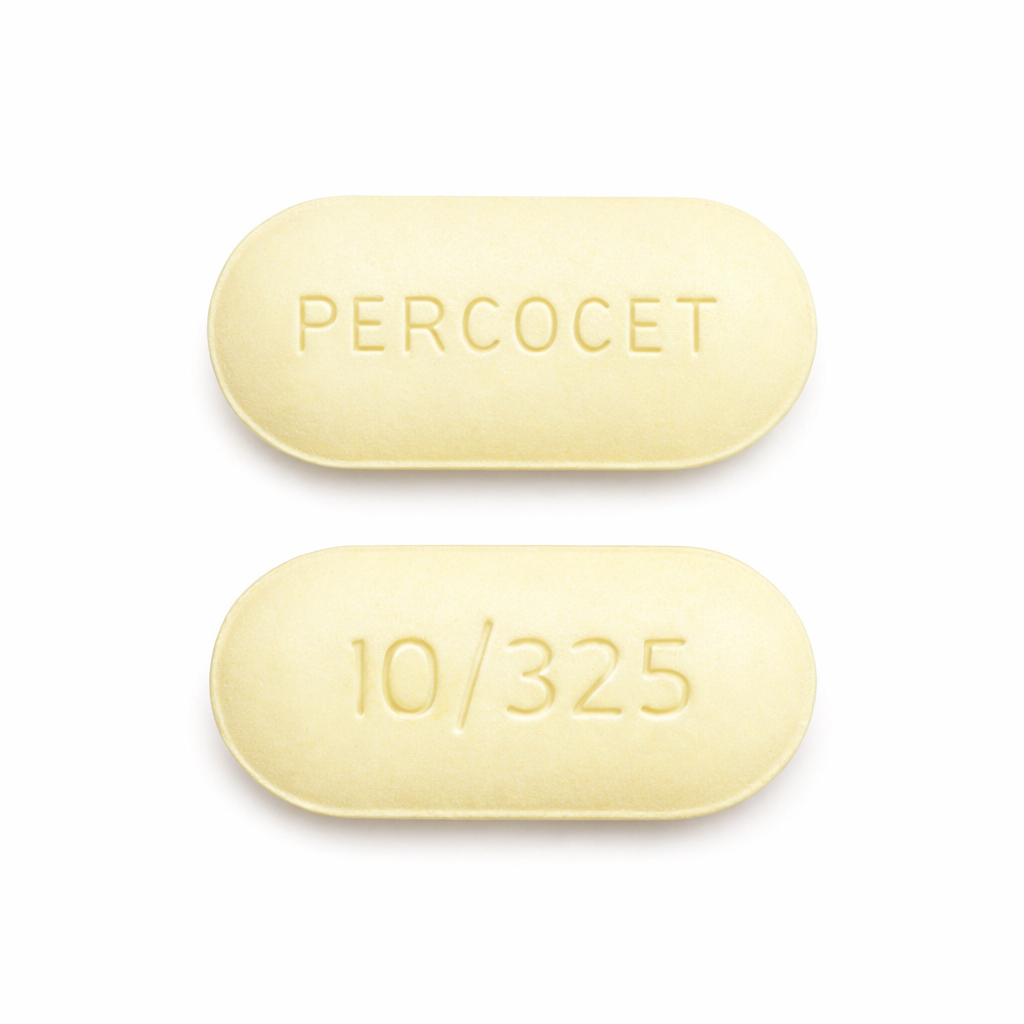
Description
Percocet 10 mg/325 mg is a prescription pain medication that combines oxycodone, an opioid analgesic, with acetaminophen, a widely used non-opioid pain reliever.
This combination is commonly prescribed to help manage moderate to severe pain when alternative treatment options do not provide sufficient relief.
The medication works by affecting pain signals within the brain and nervous system while also enhancing pain control through the action of acetaminophen.
Healthcare professionals may prescribe Percocet 10 mg/325 mg following surgical procedures, injuries, or for certain medical conditions that cause significant discomfort.
Treatment plans are individualized and depend on factors such as the patient’s medical history, pain severity, and response to therapy.
Patients should take the medication exactly as prescribed and should not change their dosage without medical guidance.
Common side effects may include drowsiness, dizziness, nausea, constipation, headache, fatigue, and dry mouth.
Some individuals may also experience reduced concentration or impaired alertness. If side effects become severe, persistent, or concerning, patients should contact their healthcare provider.
Because Percocet contains an opioid ingredient, it carries important risks that require careful monitoring.
Taking more than the prescribed amount or combining the medication with alcohol, benzodiazepines, sleeping medications, or other central nervous system depressants may increase the risk of serious adverse effects.
Patients should always discuss all medications and supplements they are taking with their healthcare provider.
Long-term use may lead to physical dependence, which is why healthcare professionals often monitor treatment closely.
If the medication needs to be discontinued, a gradual tapering plan may be recommended to help reduce withdrawal symptoms.
Understanding the proper use, benefits, and risks of Percocet 10 mg/325 mg can help support safe and effective pain management.
Reviews
There are no reviews yet.